Espresso Machine with Grinder vs Separate Grinder: Which Is Better for You?
Quick Answer
If you want maximum convenience and a lower upfront cost, an all-in-one espresso machine with a built-in grinder is the better choice for most beginners. If you prioritize grind quality, upgrade flexibility, and are willing to spend more, a separate grinder paired with an espresso machine will serve you better in the long run.
Why This Happens
The debate between an all-in-one machine and a separate grinder setup comes down to trade-offs between convenience, cost, and performance. All-in-one machines like the Breville Barista Express combine a grinder and espresso maker in one unit, saving counter space and simplifying the workflow. Separate grinders, on the other hand, offer superior grind consistency, more adjustment settings, and the ability to upgrade one component without replacing the other.
Many beginners start with an all-in-one because it’s easier to learn and requires less decision-making. But as their palate develops, they often want more control over grind size and consistency, which dedicated grinders provide. The key is understanding your priorities: do you value simplicity and budget, or precision and future-proofing?
How to Fix It
- Assess your budget and space. All-in-one machines are generally cheaper and take up less room. If you’re tight on either, start there.
- Consider your long-term goals. If you plan to experiment with different beans, brew methods, or upgrades, a separate grinder is more flexible.
- Start with an all-in-one if you’re a beginner. It’s a lower-risk entry point and lets you learn the basics without a steep investment.
- Upgrade to a separate grinder later. You can always add a dedicated grinder when you’re ready, keeping your espresso machine.
- Free fix: Improve your technique first. Before buying new gear, ensure you’re using fresh beans, a proper tamp, and consistent dose. Sometimes the biggest gains come from better technique, not new equipment.
Products That Help
Espresso Machine with Grinder and Frother 30 Grind Settings 20 Bar

This all-in-one machine combines a 20-bar espresso maker with a built-in grinder offering 30 grind settings and a milk frother. It’s a strong choice for beginners who want a complete setup without buying separate components. The 30 grind settings give you decent adjustability for dialing in espresso.
Pros:
- All-in-one design saves counter space and simplifies workflow.
- 30 grind settings offer more adjustability than many entry-level built-in grinders.
- Includes a frother for milk-based drinks.
Cons:
- Grind consistency may not match a high-end dedicated grinder.
- Build quality and longevity may be lower than premium brands.
Breville BES870XL Barista Express Espresso Machine Brushed Stainless Steel
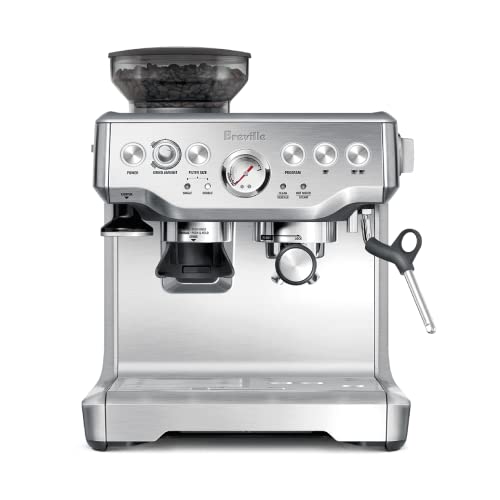
A popular all-in-one machine with a built-in conical burr grinder, the Barista Express is known for its balance of convenience and performance. It offers adjustable grind size, dose control, and a steam wand for frothing. It’s a great middle-ground for those who want a reliable all-in-one without breaking the bank.
Pros:
- Built-in conical burr grinder provides consistent grinds for espresso.
- Intuitive controls and pressure gauge help beginners learn.
- Durable stainless steel construction.
Cons:
- Grinder may not satisfy advanced users seeking ultimate precision.
- Single boiler design means you can’t brew and steam simultaneously.
Breville BES870BTR Barista Express Espresso Machine Black Truffle
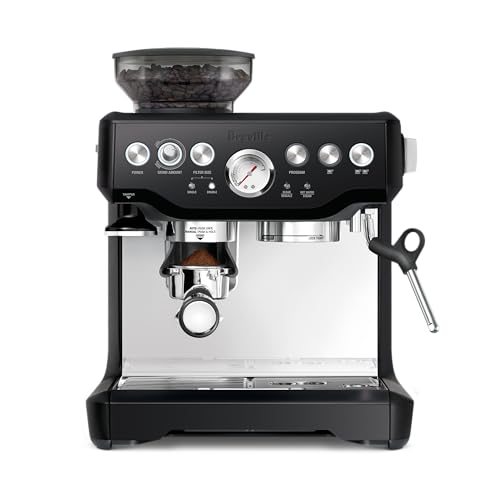
This is the same trusted Barista Express platform in a Black Truffle finish. It offers the same built-in grinder, 15-bar pump, and steam wand. If you prefer a darker aesthetic and want the convenience of an all-in-one, this version delivers the same performance as the stainless steel model.
Pros:
- Same reliable features as the BES870XL.
- Attractive Black Truffle finish.
- Built-in grinder with adjustable settings.
Cons:
- Limited color options may not suit all kitchens.
- Same single-boiler limitations as the stainless version.
CASABREWS CM5418 Compact Espresso Machine with Milk Frothing Steam Wand

A compact espresso machine without a built-in grinder, the CM5418 is ideal if you already have a separate grinder or plan to buy one. It’s small, affordable, and includes a steam wand for frothing. This is a good option for those who want to pair a dedicated grinder with a simple espresso machine.
Pros:
- Compact size fits tight spaces.
- Affordable entry point if you already own a grinder.
- Steam wand allows for milk-based drinks.
Cons:
- No built-in grinder, so you must buy one separately.
- Basic feature set compared to pricier machines.
What to Look For
- Grind settings and burr type: Conical burr grinders are generally better than flat burrs for espresso, and more settings mean finer control.
- Boiler type: Single boiler is fine for beginners; dual boiler or heat exchanger allows brewing and steaming simultaneously.
- Build quality: Stainless steel and metal components last longer than plastic.
- Ease of cleaning: Removable drip trays, accessible grind chambers, and descaling options matter.
- Warranty and support: A solid warranty and good customer service can save you headaches.
- Future upgrade path: If you might want a separate grinder later, ensure your machine allows bypassing the built-in grinder.
FAQ
Is a built-in grinder as good as a separate grinder? Built-in grinders are convenient and can produce good espresso, but separate grinders generally offer more precise adjustments, larger burrs, and better consistency, especially for advanced users.
Can I use a separate grinder with an all-in-one espresso machine? Yes, you can bypass the built-in grinder and use a separate grinder with most all-in-one machines. However, this may be redundant unless the built-in grinder is inadequate for your needs.
Which is more cost-effective: all-in-one or separate? All-in-one machines are often more cost-effective upfront because they combine two appliances. Separate setups can be more expensive initially but allow you to upgrade components individually over time.
How often do I need to clean the grinder? For daily use, it’s good to brush out the grinder weekly and do a deeper clean monthly. Separate grinders are easier to clean thoroughly because they can be disassembled more completely.
Do I need a separate grinder if I only make espresso? Not necessarily. If you’re happy with the built-in grinder’s performance and don’t plan to experiment with different brew methods, an all-in-one machine is sufficient.
What grind settings should I use for espresso? Espresso typically requires a fine grind, similar to table salt. The exact setting depends on your machine and beans; adjust until you achieve a 25-30 second extraction for a 1:2 ratio.