What to Do When a Screw Is Stripped in Wood: A Homeowner's Fix-It Guide
Quick Answer
The most effective solution is to use a screw extractor kit designed for stripped screws. These kits bite into the damaged head and back the screw out without damaging the surrounding wood. If you don’t have one, try the rubber band trick or a wider flathead screwdriver first, but a dedicated extractor is the surest fix.
Why This Happens
A screw strips when the driver slips inside the head and grinds away the recess. This usually happens for a few reasons:
- Wrong driver size or type: Using a Phillips bit on a Pozidriv screw (or vice versa) or a bit that’s too small or too large will cam out under pressure.
- Overtightening: Power drills can easily overdrive a screw, especially in softwood, rounding the head.
- Poor-quality screws: Soft metal screws deform more easily than hardened steel ones.
- No pilot hole: Driving a screw into hard wood without a pilot hole creates excessive resistance, causing the driver to slip.
- Worn driver bits: A rounded or dull bit won’t grip properly.
- Angle of approach: Driving at an angle can cause the driver to slip out of the slot.
Understanding the cause helps you prevent it next time, but first you need to get that stuck screw out.
How to Fix It
Here are 5 approaches ranked from easiest/free to more involved.
1. The Rubber Band Trick (Free)
Place a wide rubber band flat over the screw head. Press your screwdriver firmly into the rubber band and turn slowly. The rubber fills the stripped recess and gives the driver something to grip. Works best on mildly stripped screws.
2. Use a Wider Flathead Screwdriver (Free)
If the screw head has any remaining slot, a flathead screwdriver that spans the entire head can sometimes catch enough to turn it. Apply firm downward pressure while turning counterclockwise.
3. Cut a New Slot with a Rotary Tool (Low Cost)
If you have a rotary tool with a cutting wheel, carefully cut a new straight slot across the screw head. Then use a flathead screwdriver to back it out. This damages the screw but often works when other methods fail.
4. Screw Extractor Kit (Best Dedicated Fix)
A screw extractor kit includes bits that are reverse-threaded. You drill a small pilot hole in the screw head, then use the extractor bit in reverse to bite into the screw and remove it. This is the most reliable method for badly stripped screws.
5. Drill Out the Screw (Last Resort)
If all else fails, drill off the screw head with a bit slightly smaller than the screw shaft. Once the head is gone, you can remove the remaining shaft with pliers or push it through. You’ll need to fill the hole afterward.
Products That Help
PULITUO’S 20V Cordless Drill/Driver
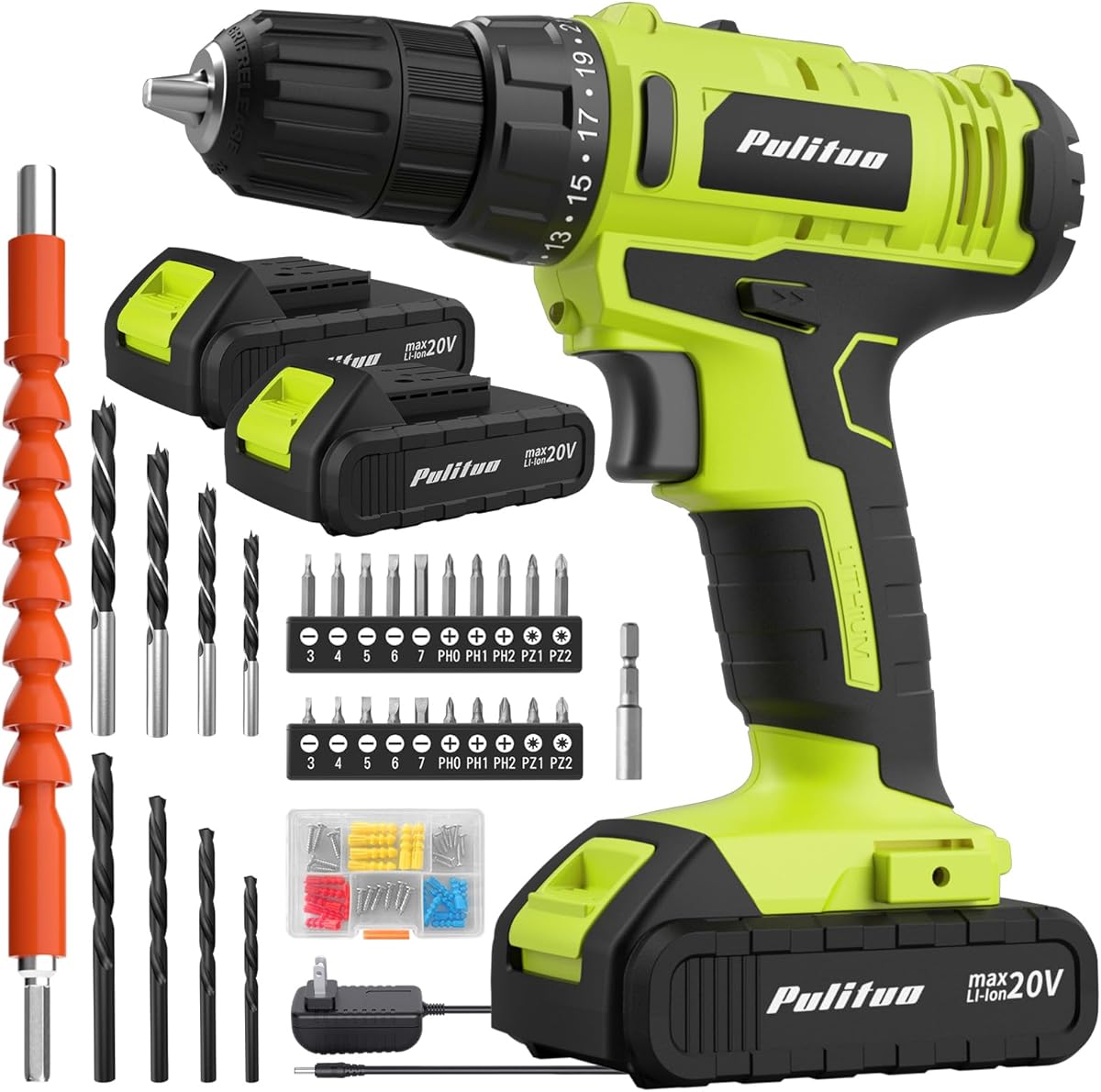
This compact drill/driver is useful for both driving screws and, with the right bits, drilling them out. Its adjustable clutch helps prevent stripping in the first place by stopping at a set torque.
Pros:
- 21+1 torque settings give precise control
- Two batteries mean less downtime
- LED light helps in dark corners
Cons:
- Not a substitute for a dedicated impact driver for heavy tasks
- Chuck size may limit very large bits
DEWALT 20V MAX Drill and Impact Driver (DCK240C2)

A combo kit with a drill for pilot holes and an impact driver for driving screws. The impact driver’s high torque can sometimes strip screws if not used carefully, but it’s excellent for removing stubborn screws with the right bit.
Pros:
- Powerful and durable for repeated use
- Two tools cover drilling and driving
- Brand reputation for reliability
Cons:
- Higher cost than a basic drill
- Impact driver can strip screws if clutch not used
7-in-1 Stud Finder Wall Scanner

Before driving screws into a wall, this scanner helps you locate studs, metal, and AC wires. Knowing where studs are prevents you from driving screws into empty drywall (which can strip) or hitting wires.
Pros:
- Multi-function detection
- Helps avoid costly mistakes
- Easy to use for beginners
Cons:
- May give false readings on textured walls
- Requires calibration for accuracy
Stud Finder, Upgranded Wood and Metal Stud Detector

Another stud finder option with live wire detection. Useful when you need to find a safe spot to drive screws, reducing the risk of stripping in hollow areas.
Pros:
- Detects live wires for safety
- Compact and lightweight
- Clear indicators
Cons:
- Not a substitute for a full wiring diagram
- Battery not included
What to Look For
When buying tools to deal with stripped screws, keep these points in mind:
- Extractor kit compatibility: Ensure the extractor bits match the screw sizes you commonly use (e.g., #1 to #3 Phillips, hex, Torx).
- Drill clutch settings: A drill with an adjustable clutch lets you set torque to avoid stripping.
- Bit quality: Look for hardened steel bits that resist rounding.
- Pilot hole capability: A drill with variable speed and a chuck that accepts small bits is essential for pilot holes.
- Stud finder accuracy: If you’re working on walls, a stud finder that detects wood, metal, and AC wires helps you avoid problems.
- Battery platform: If you already own tools from a brand, stick with that battery system to save money.
FAQ
Can I remove a stripped screw without a screw extractor? Yes, sometimes. Try the rubber band trick, a wider flathead screwdriver, or carefully cutting a new slot with a rotary tool. If those fail, a screw extractor kit is the most reliable next step.
Will drilling out a stripped screw damage the wood? It can if you’re not careful. Use a drill bit slightly smaller than the screw’s shaft and drill straight down. Stop when the head separates. You may need to fill the hole with wood filler or a dowel afterward.
What causes screws to strip in wood? Common causes include using the wrong screwdriver size or type, overtightening, low-quality screws with soft metal, or driving into hard wood without a pilot hole.
How do I prevent stripping screws in the future? Match the screwdriver bit to the screw head exactly, drill a pilot hole, use a clutch setting on your drill, and choose quality screws made of hardened steel.
Is it better to use a drill or a screwdriver to avoid stripping? A drill/driver with an adjustable clutch is generally better because it stops at a set torque, reducing the chance of stripping. A manual screwdriver gives more control for delicate work.
Can I reuse a stripped screw? No, it’s best to replace it. A stripped screw has damaged head or threads that won’t hold properly. Use a new screw of the same size and type.